
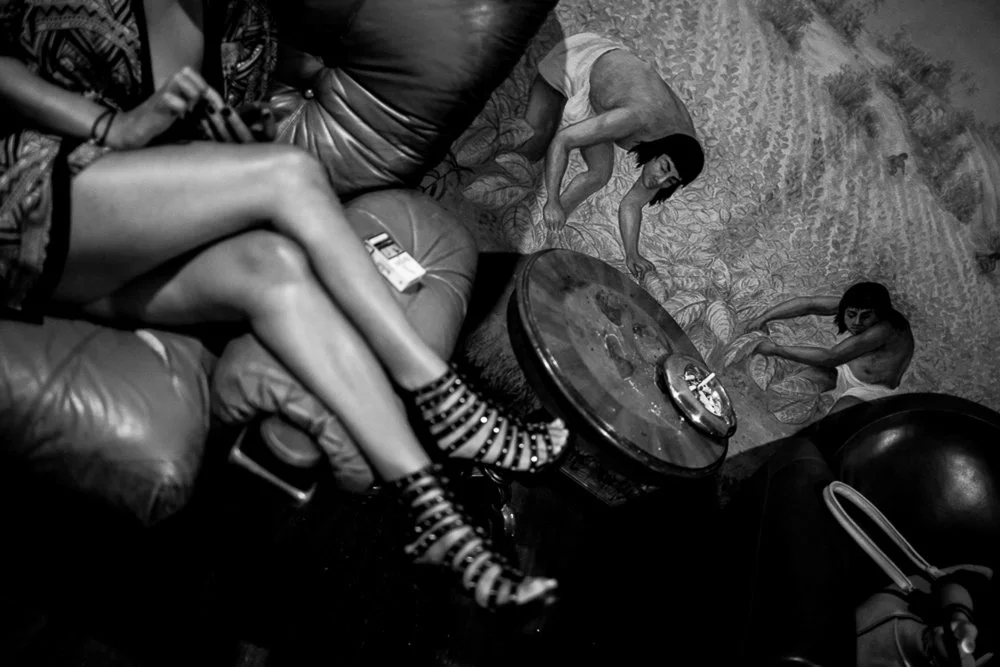
Maison Close
Prostitution has been legal in Geneva since 1942 and is recognised as an independent economic activity. Coercion and exploitation are illegal and actively prosecuted by the police. Sex workers are required to register as self-employed and pay taxes on their earnings to the State.
Despite this legal framework, prostitution is still considered contrary to good morals by the Swiss Supreme Court, and administrative bureaucracy often makes life difficult for sex workers. Around four thousand sex workers are active in the canton of Geneva. They are particularly visible in the red-light district of Les Pâquis, working in salons, bars, cabarets and legal brothels.
This project was made in Geneva in 2017, primarily in Venusia, a legal brothel. Working in collaboration with sex workers, the project seeks to move beyond stereotypes, focusing instead on everyday labour, intimacy and resilience within a system that is legal yet morally contested and socially stigmatised.
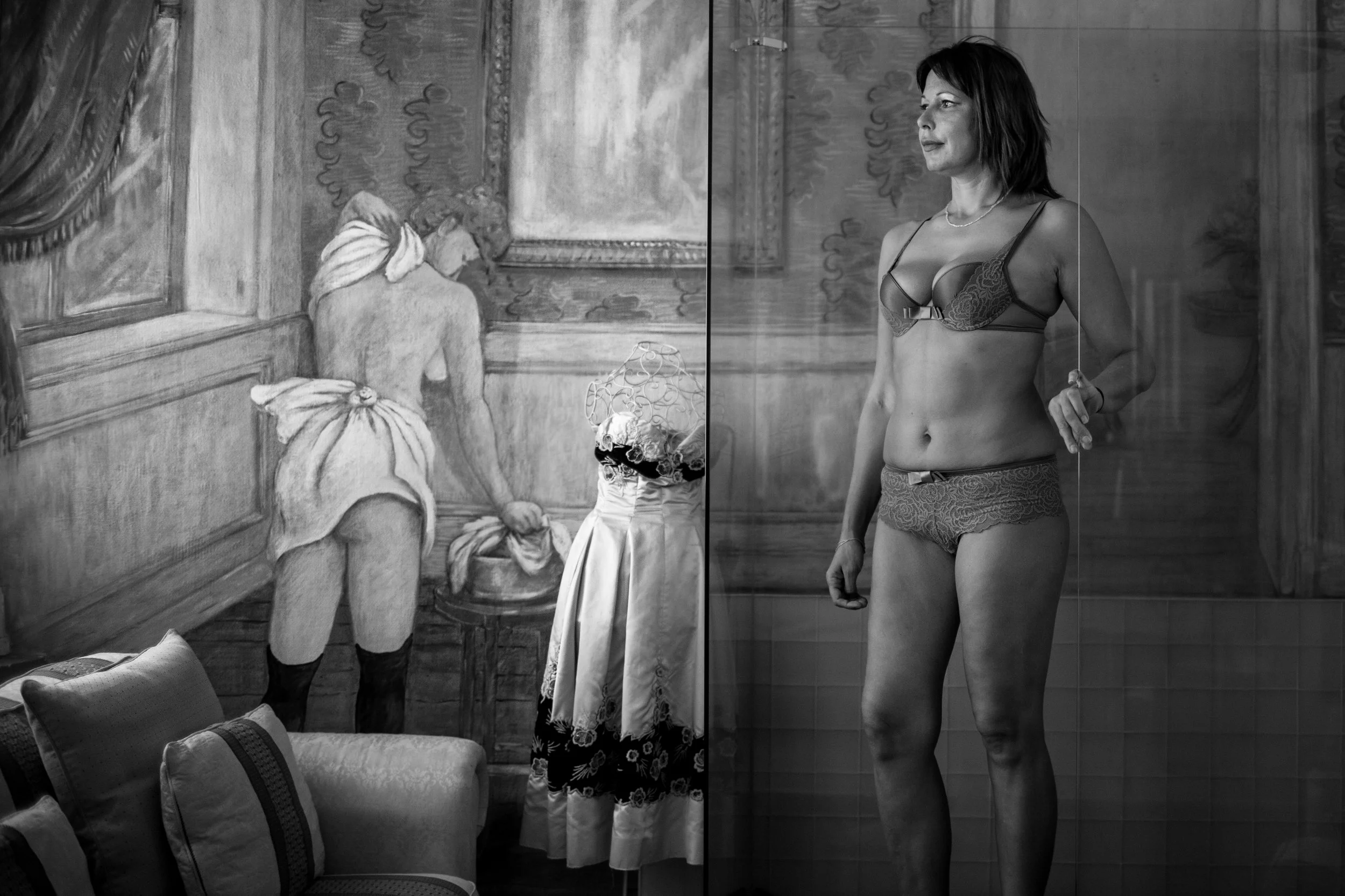
“I’ve seen how sexual mores have changed. The services that clients want now are very different. Before requests for sodomy were rare. Now it is asked for all the time. It might be the influence of the internet” - Lisa
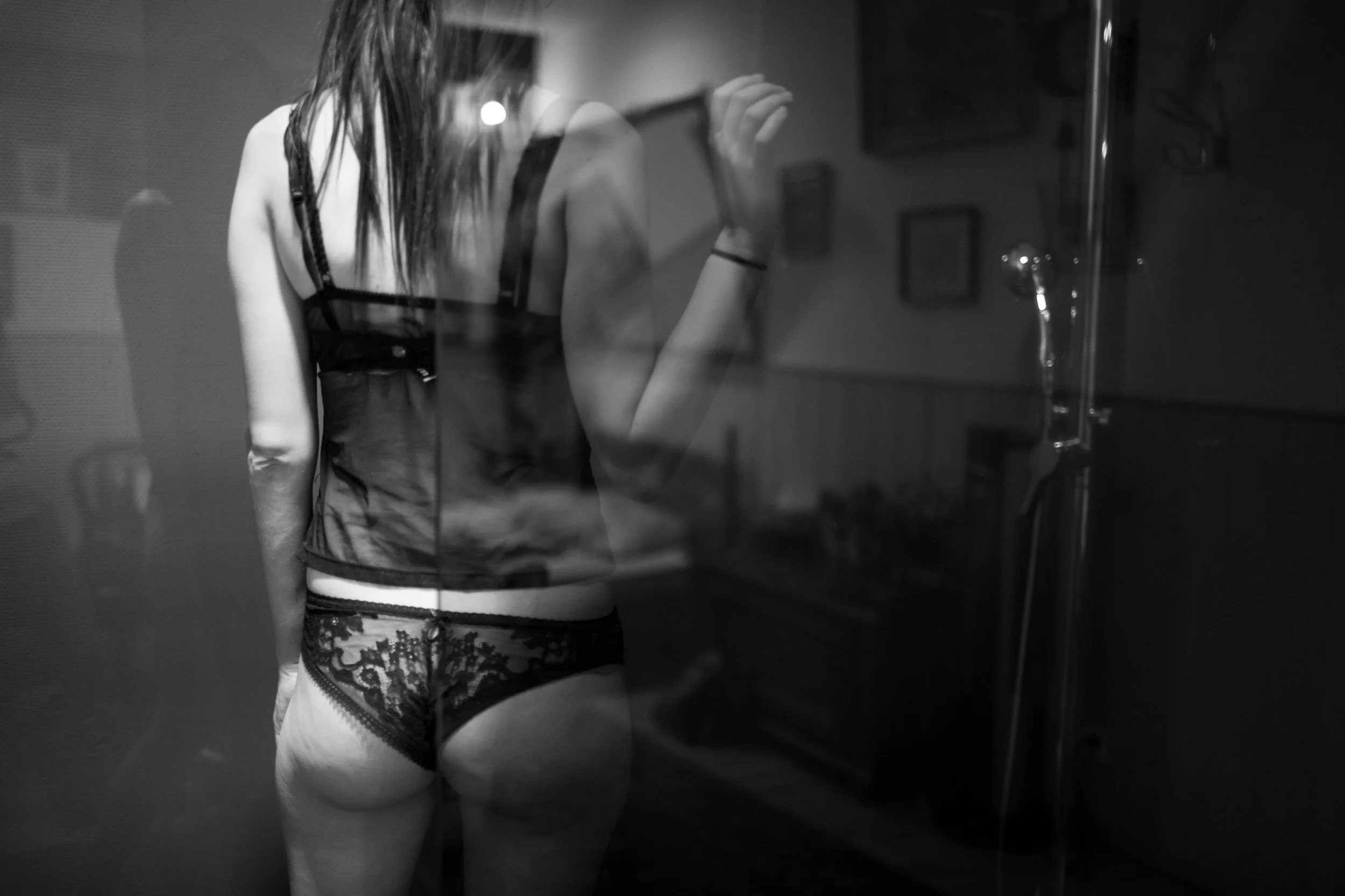
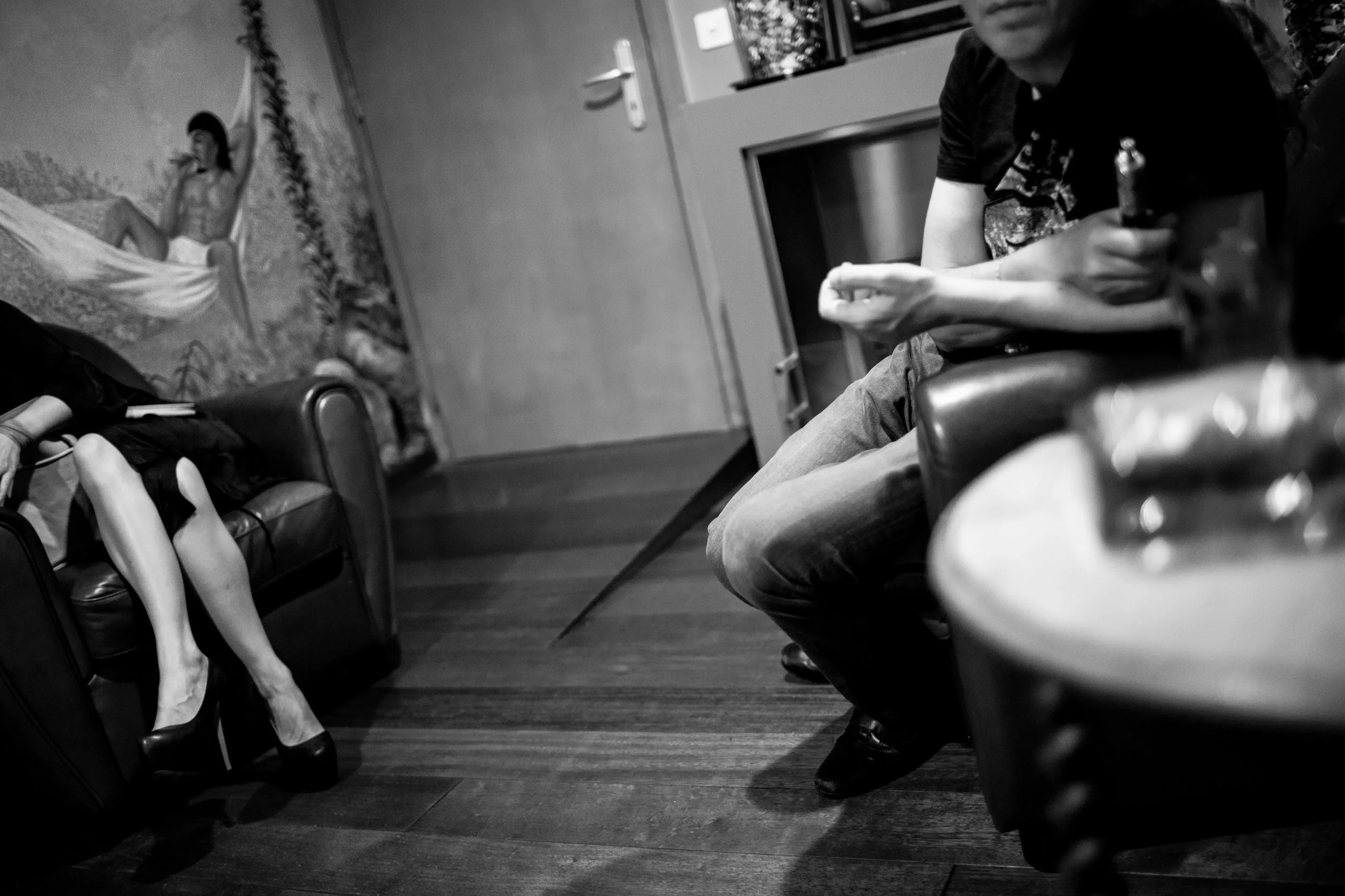
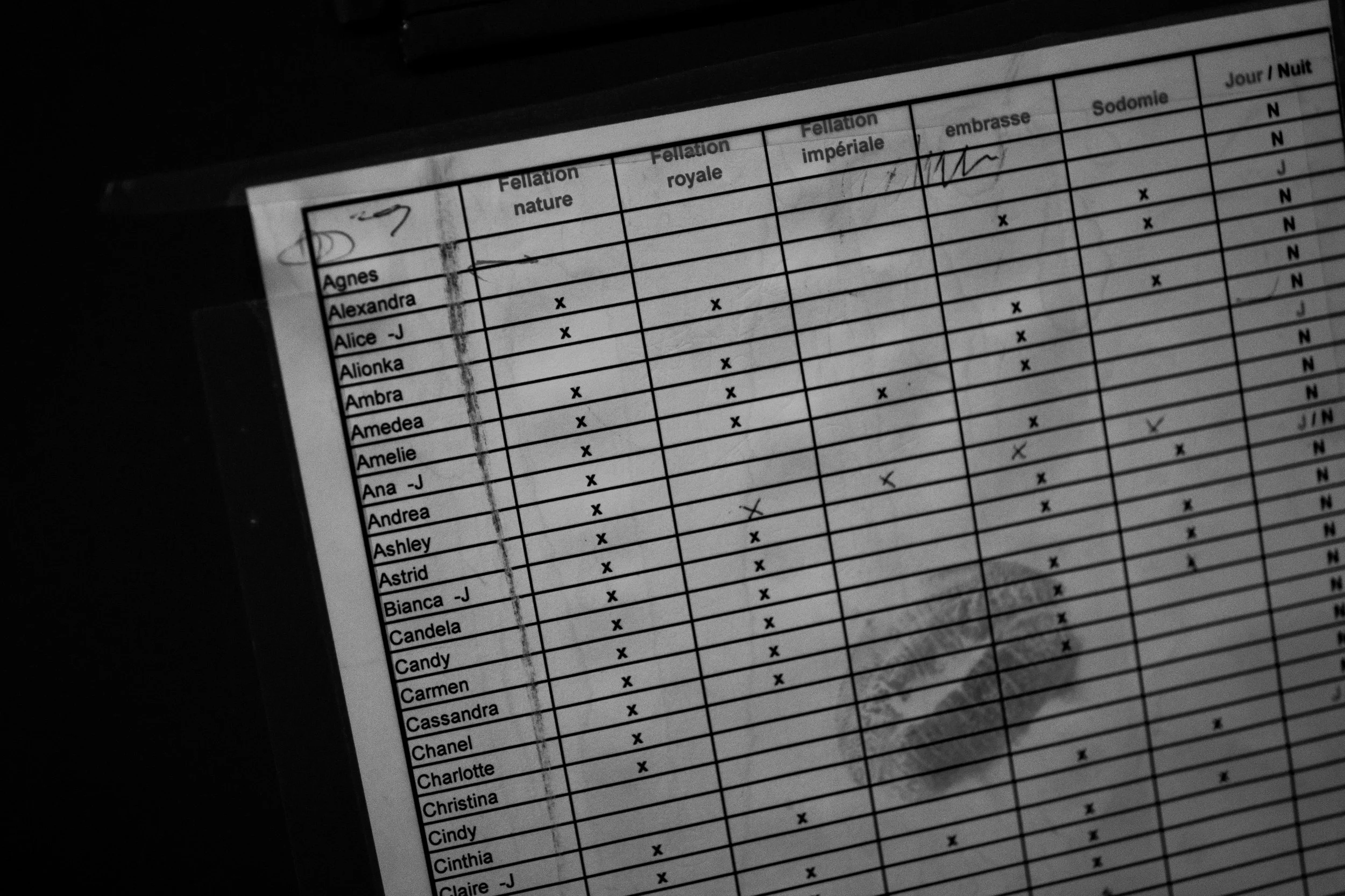
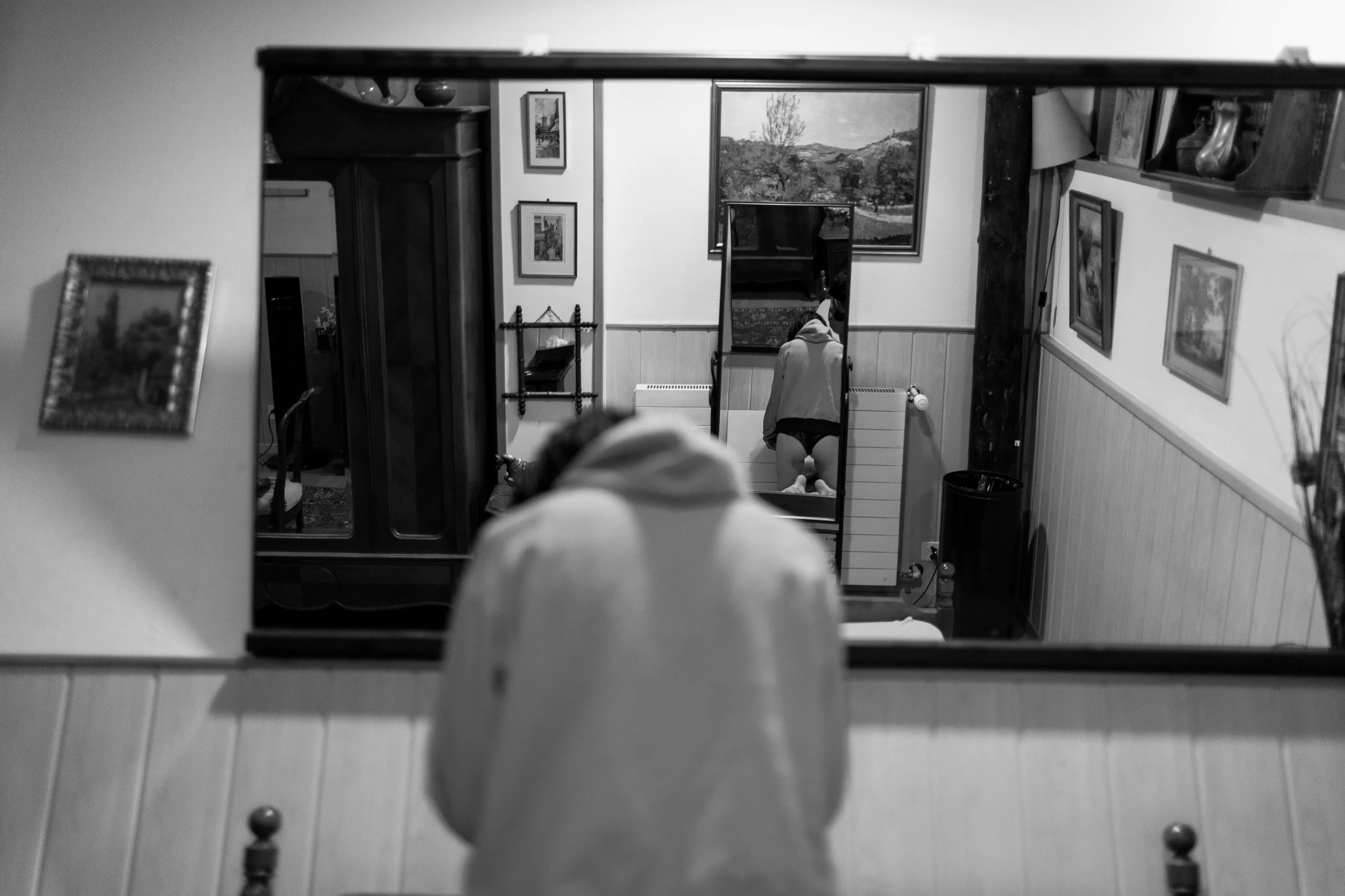
“There are mirrors everywhere. Some girls don’t like them but they distract me. When I look at myself with a client in a mirror I feel beautiful” - Sarah

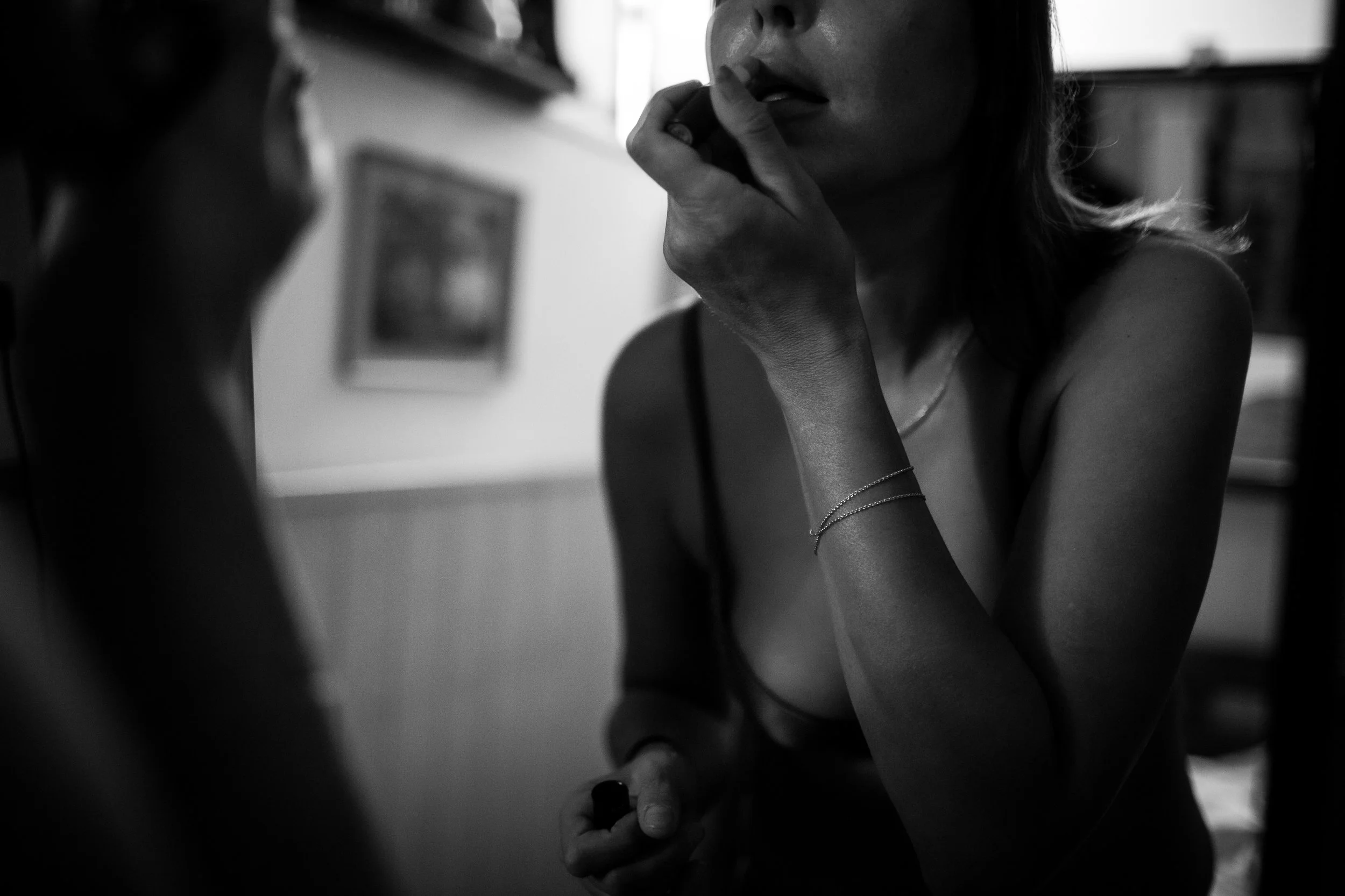
“Prostitution is either embellished or denigrated by the press. I decided to start this work because I read an article that made it seem glamourous. It isn’t in fact. But it isn’t terrible either. The truth lies somewhere in between” – Anna
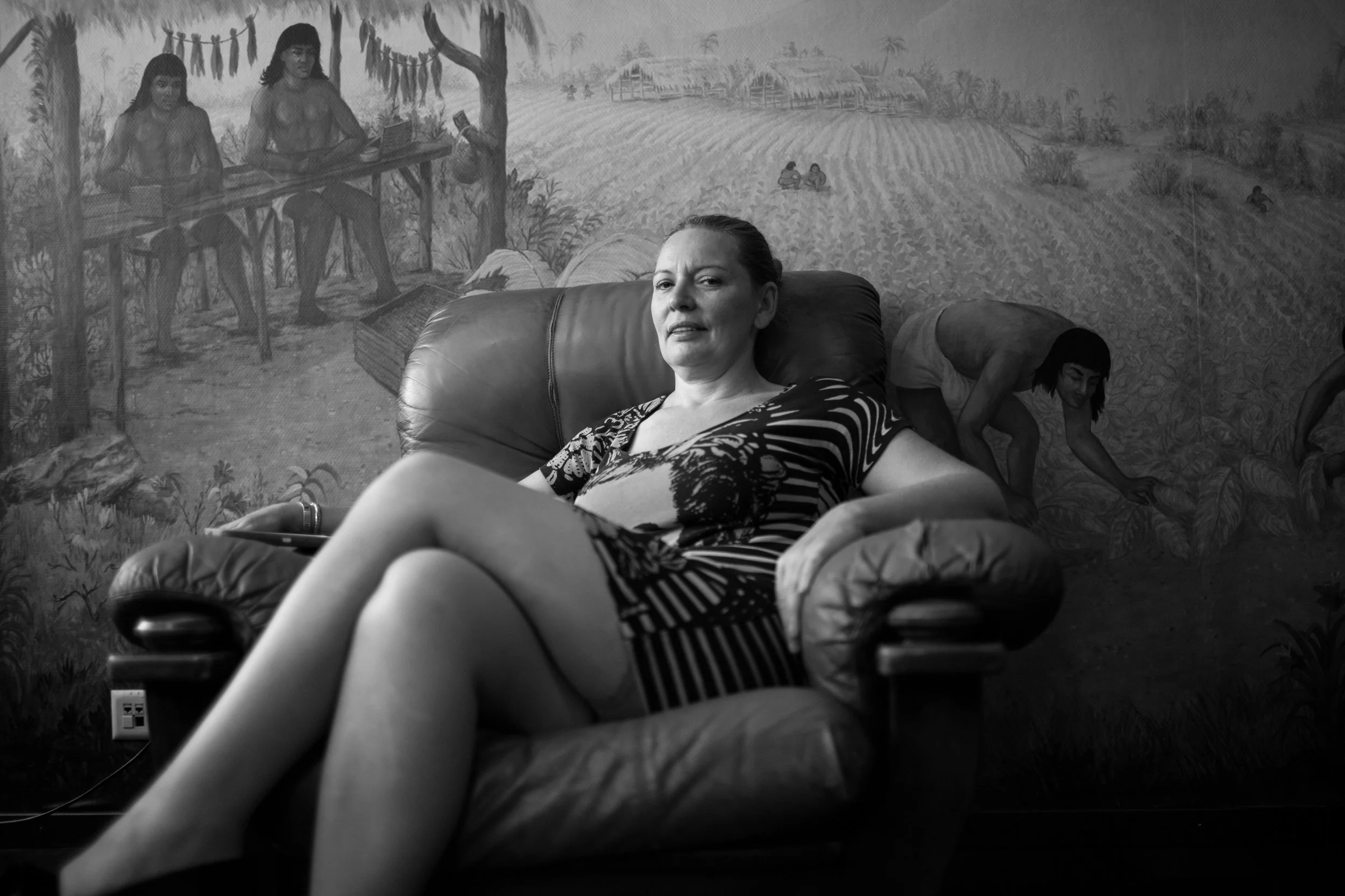
“People say that I lead a bad life and that I am nothing but a whore but I love my life and I wouldn’t change it for anything in the world”
- Lisa, owner of the erotic salon Venusia